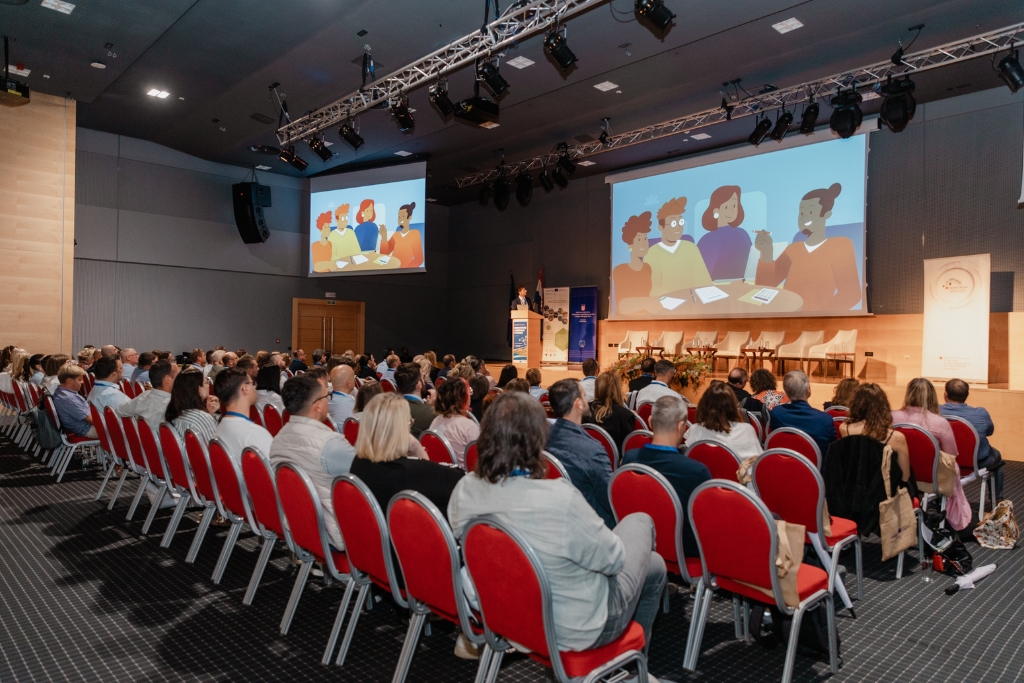
The international conference “Energy Communities in Practice”, held on 24 and 25 September in Bol on the island of Brač, brought together representatives of the European Commission, Croatian ministries, regulators, operators and local communities. Through dialogue and by listening to different perspectives and possibilities, the aim was to turn the existing legal framework into practical implementation that enables energy communities to be established, share energy and operate sustainably over the long term.
“A legal framework is necessary, but not sufficient. Grid connection, access to finance and local capacities are key,” said Aida Liha Matejiček from the European Commission’s Directorate-General for Regional and Urban Policy (DG REGIO). “This conference is a good example of the partnership and cooperation between institutions needed to achieve Europe’s energy community objectives.”
The European Union is placing significant emphasis on citizens’ participation and energy communities in the local energy transition. The 2026 EU Citizens Energy Package1 envisages a tenfold increase in installed renewable energy capacity owned by energy communities by 2030: from the current 9 GW to around 90 GW, which could provide renewable electricity to 25 – 30 million households.
Making this happen requires more than legislation
Ascanio Troiani from DG REGIO stressed that Member States must actively remove barriers and create the conditions for energy communities to function in practice. Procedures need to be simplified, access to the grid must be ensured, and energy sharing needs to work not only on paper but also in real life. The Commission also recommends using cohesion funds more to develop energy communities and explicitly calls for more funding for the pre-development phase, when communities need the most support to turn an idea into a viable project.
The conference comes at an important time, as formal negotiations on National and Regional Partnership Plans (NRPPs) for 2028 – 2034 will begin over the next few months. These plans will provide a key basis for funding under the EU’s new financial framework. This is therefore the right moment to ensure that energy communities are included in these plans and given a more prominent place in future funding.
Bringing the (im)possible together around common interests and turning theory into practice
The energy transition requires cooperation, citizen participation and alignment between the interests of local communities and the market. It is necessary to identify common interests, bring different stakeholders together and test solutions in real-world conditions.
There are more than 8,000 active energy communities in the European Union, while only three are currently formally registered in Croatia, of which two are participating in the pilot phase of energy sharing. Several energy cooperatives are also active and operate in line with the principles of the European directive, but due to barriers in Croatian legislation, they cannot be recognized as energy communities and therefore cannot share energy.
The Croatian Registry of Associations includes a total of twelve organizations with “energy community” in their name, demonstrating that there is interest and providing hope that the number of formally recognized communities will grow. Some are members of the Croatian Energy Communities Forum, while for many others it is still unclear what exactly they are working on or what they intend to develop. These initiatives will require targeted support if they are to grow into successful and sustainable projects.
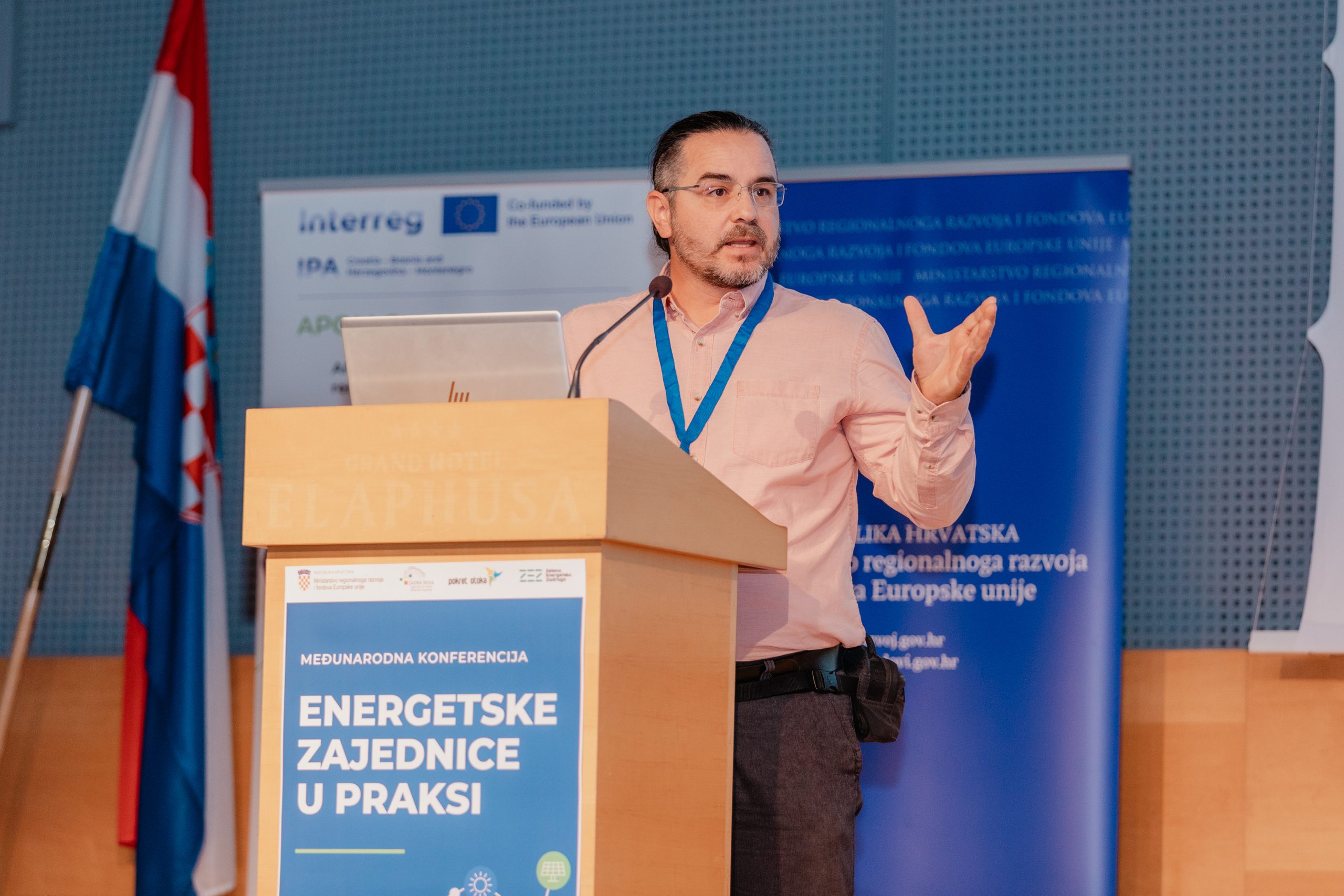
At the conference, members of the Croatian Energy Communities Forum presented their experiences with different models for developing citizen energy – from citizen investment in a shared power plant (ZEZ Sun) and cooperation between several cities and municipalities led by a Local Action Group (LAG SAVA), to island energy cooperatives (Apsyrtides), registered citizen energy communities and local projects developed around public rooftops (OTRA).
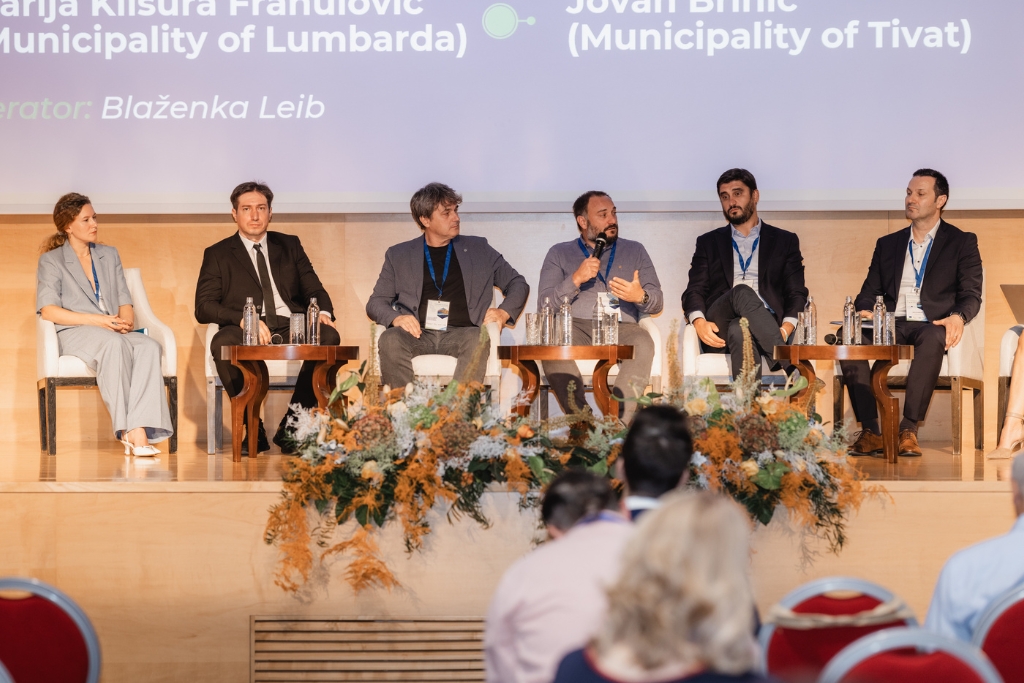
The first experiences of energy sharing among members of the Northern Adriatic Energy Community were also presented, alongside examples from Slovenia, Greece, Bosnia and Herzegovina and Montenegro, including Solar School Hrastnik, the Greek Desmi coalition and models being developed as city-led initiatives in Mostar and Tivat.
Energy communities are a social concept
The conference showed that the system has started to move forward, but the key challenges remain: there is still a lack of clear and harmonized rules, a single point for reliable information is needed, initiatives require technical assistance and funding for the project preparation phase; and continuous coordination is needed between institutions, regulators, operators and local communities.
Establishing a national Citizen Energy Office, which would act as a national coordinator for cooperation between different institutions and serve as a knowledge base for practical experience, could significantly facilitate the process of establishing and developing energy communities.
It is important to emphasize that energy communities are not merely a new model of energy production; they are a tool for democratizing the energy system and strengthening local communities. Since 2013, Green Energy Cooperative – ZEZ has been working to make it easier for citizens to participate in energy production simply and securely. The aim is not only to replace fossil fuels with renewable energy sources, but also to change the way we produce, use, and share energy.
Although the legislative framework exists, implementation in practice is still lagging. It is therefore essential to maintain this dialogue, learn together from the practical experiences of the first projects being implemented, adapt models to Croatian local conditions and begin putting them into practice.
It should also not be forgotten that the primary objective of energy communities is not to maximize profit. Their purpose is to retain value locally, increase energy independence and create the greatest possible benefit for communities and the people who live in them.
THE BRAČ CONCLUSIONS – Practical Pathways to Energy Communities
Following two days of discussions with representatives of institutions, local and regional authorities, energy communities, development organizations and experts from Croatia and across Europe, the conference’s key conclusions – the Brač Conclusions – were defined.
They are not the end of the conversation, but a starting point for the next steps: better cooperation between institutions, simpler procedures, tailored funding sources and stronger involvement of local communities. Here they are:
AN ENERGY COMMUNITY IS A SOCIAL CONCEPT
Energy communities create value through lower energy costs, greater security of supply, the use of clean energy sources and benefits that remain within the local community. Profit is part of a sustainable business model, but it is not the community’s primary purpose.
LOCAL NEEDS REQUIRE LOCAL SOLUTIONS
One community may bring together citizens, another schools and kindergartens, while a third may support households experiencing energy poverty. The rules need to be clear, but each model must be adapted to local needs, opportunities and objectives.
THE FIRST STEP NEEDS TO BE SIMPLER
Simple forms, clear deadlines and a single point where legal, technical and financial assistance can be obtained are needed.
LOCAL AUTHORITIES HAVE A KEY ROLE TO PLAY
Local authorities can bring together citizens and public institutions, initiate an energy community and share locally produced energy among schools, kindergartens and other public users, while also enabling the inclusion of community members affected by energy poverty.
ENERGY COMMUNITIES NEED COMPREHENSIVE FINANCIAL SUPPORT
Support is needed even before the investment itself – for bringing members together, carrying out technical assessments, preparing documentation, developing the business model and obtaining expert assistance.
ENERGY SHARING IS ENTERING A NEW PHASE
Smart meters, high-quality data and fairer algorithms are needed to ensure that as much of the energy produced as possible is used within the community.
TURNING KNOWLEDGE INTO SUPPORT
The knowledge and experience of the first energy communities should be transformed into support for others, tailored funding sources and models that can be applied in different local contexts.
NOW IS THE TIME FOR IMPLEMENTATION
It is necessary to:
- coordinate the work of all relevant institutions
- establish a single point for expert assistance
- simplify the establishment of energy communities and energy sharing
- fund project preparation
- involve local authorities and vulnerable households
- continue sharing knowledge and experience in Croatia and across the region
The energy transition can succeed only if we build it together.
The “Energy Communities in Practice” conference was organized by the Ministry of Regional Development and EU Funds, the Zadar County Development Agency ZADRA NOVA, Green Energy Cooperative (ZEZ) and Island Movement, and featured experiences and results from the APOLLO, LIFE ISLET, LIFE COMET and DBU/ECF Fast Forward Energy Communities projects.
The conference brought together more than 110 participants from Croatia, Italy, Greece, Slovenia and other countries in the region, including representatives of energy communities and citizen initiatives, government institutions, regulators, the distribution system operator, cities, municipalities, counties and organizations working on the development of citizen energy.
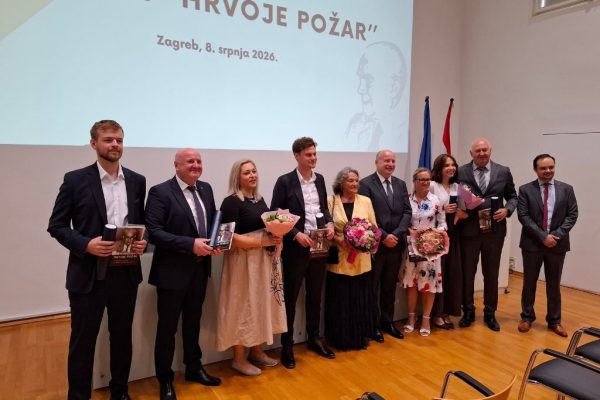
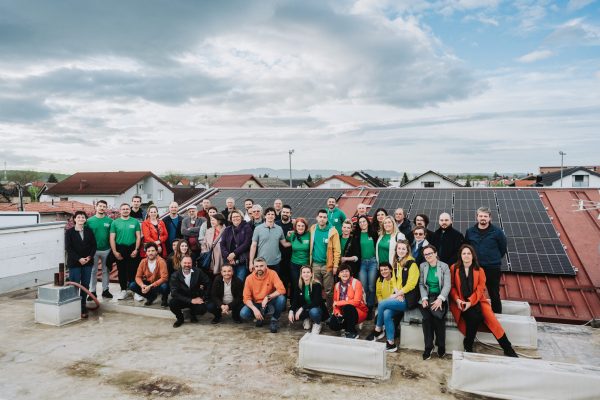
Photos source: Energy Communities in Practice International Conference, Bol on Brač, 24-25.9.2026.
About the projects and funding
LIFE ISLET – Innovative Supporting Schemes for Community-Led Energy Transition
The LIFE ISLET – Innovative Supporting Schemes for Community-Led Energy Transition project is co-funded by the European Union through the LIFE Programme under Grant Agreement No. 101120073.
LIFE COMET – Coalitions for Catalysing Citizen Energy in Eastern EU
The LIFE COMET project is funded by the European Union through the LIFE Programme under Grant Agreement No. 101120519. The project is co-funded by the Office for Cooperation with NGOs of the Government of the Republic of Croatia.
APOLLO – Application of Upscaled Interregional Renewable & Energy Efficiency Solutions
The APOLLO project is co-funded by the European Union under the Interreg VI-A IPA Croatia – Bosnia and Herzegovina – Montenegro 2021–2027 Programme.
DBU/ECF Fast Forward Energy Communities
The DBU/ECF Fast Forward Energy Communities project is co-funded by the German Federal Environmental Foundation (DBU) and the European Climate Foundation (ECF).
The views and opinions expressed are those of the authors only and do not necessarily reflect those of the European Union or the European Climate, Infrastructure and Environment Executive Agency (CINEA). Neither the European Union nor the granting authority can be held responsible for them.