We live in a world of intertwined crises and growing instability, reflected in rising prices of energy, food and resources, which in turn increases the need to strengthen local resilience.
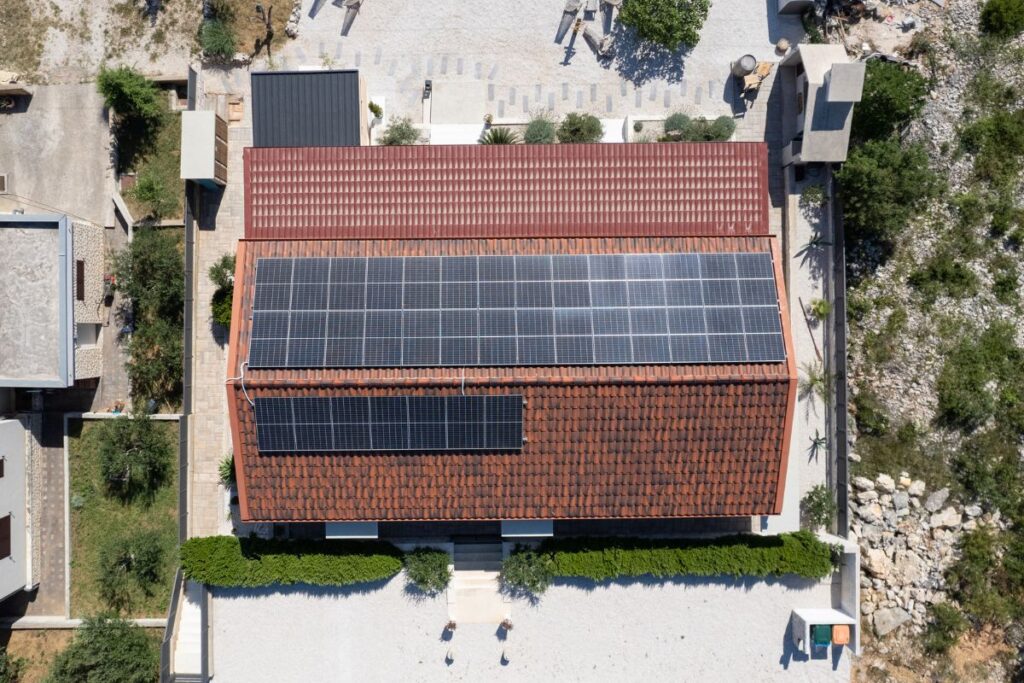
A possible solution lies in the energy communities, which are an excellent model of cooperation between citizens and entrepreneurs within their local environment, delivering projects that address energy, social, and economic challenges. As such, they represent an important tool for sustainable development. Energy communities allow joint investment by citizens, entrepreneurs and public sector, local ownership of solar power plants, and locally produced energy. Additional benefits include the control of price growth, fairer distribution of surpluses, and an active role for citizens, entrepreneurs, and the public sector in the energy market and local development.
Energy communities as a response to multiple challenges for entrepreneurs – from risk sharing and price increase control to new services and partners
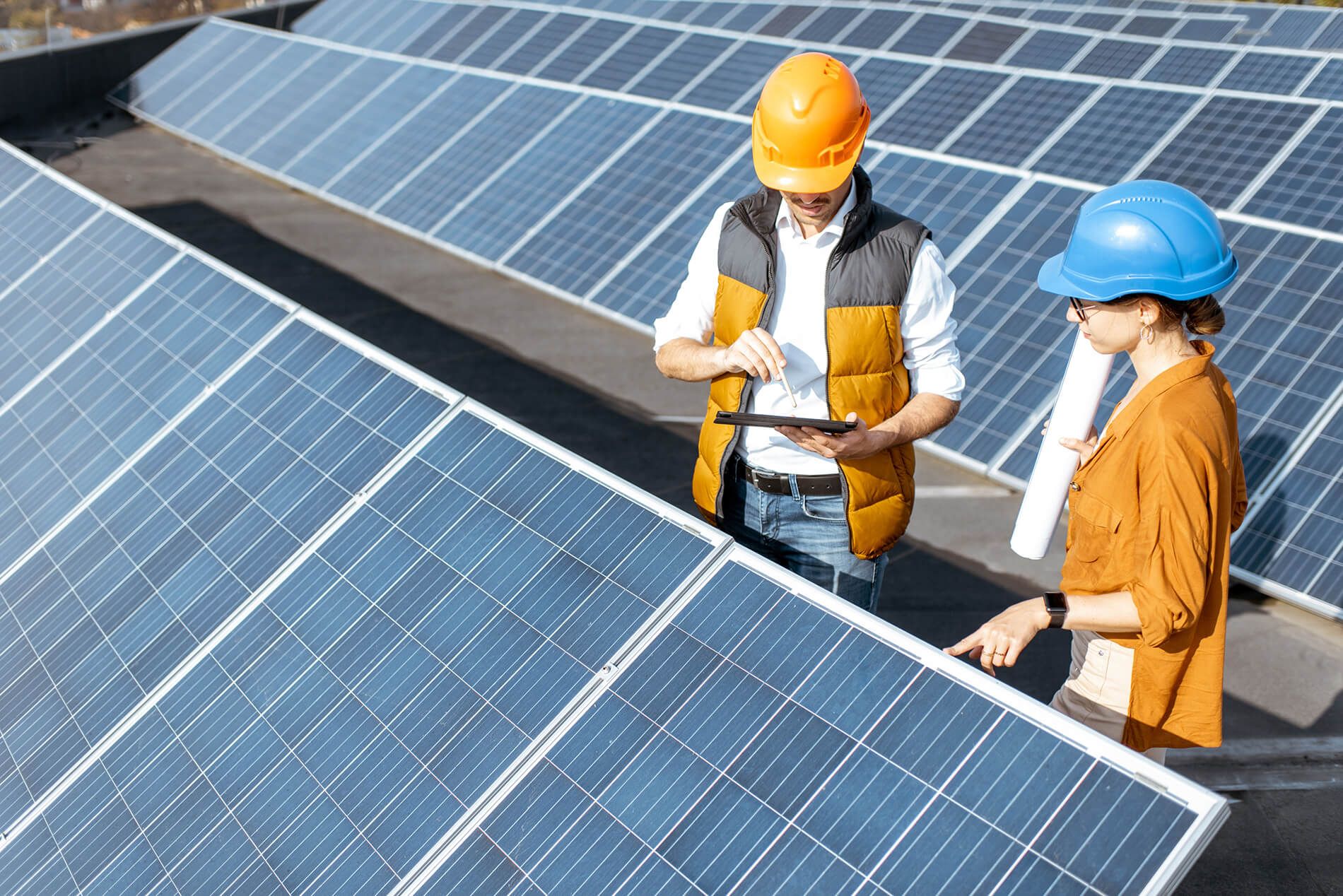
Small and medium-sized enterprises depend on stable and affordable energy. By joining energy communities, businesses can jointly invest in local renewable energy sources such as solar power plants, securing supply stability and controlling price increases while reducing operating costs. This paves the way for more sustainable business models and strengthens competitiveness.
Beyond financial benefits, energy communities support entrepreneurs through shared investment and risk-sharing. Instead of each business investing individually in its own local energy infrastructure, projects, such as joint investments in shared solar power plants tailored to participants capacities and needs, enable access to technology and self-produced energy even for smaller enterprises that would otherwise be excluded. This creates a more favorable environment for innovation, the development of new business models, and the strengthening of local values, cooperation, and social cohesion.
Energy communities can also serve as platforms for developing new entrepreneurial opportunities and knowledge exchange. Small and medium-sized enterprises can offer services related to the design, installation, maintenance, and digital/smart operation of solar power plants, as well as develop additional products and services related to energy efficiency. In this way, the energy transition boosts not only the investment in local renewable energy sources, but also drives business growth and development.
An important aspect of participation in energy communities is the strengthening of ties with the local community. Businesses involved in energy communities are often perceived as socially responsible actors contributing to local development and the reduction of harmful greenhouse gas emissions. This can have a positive impact on company reputation, relationships with customers and partners, and the attraction of skilled workers, especially younger generations, who increasingly value sustainability in business practices.
Food and energy – the role of the AgriCom project
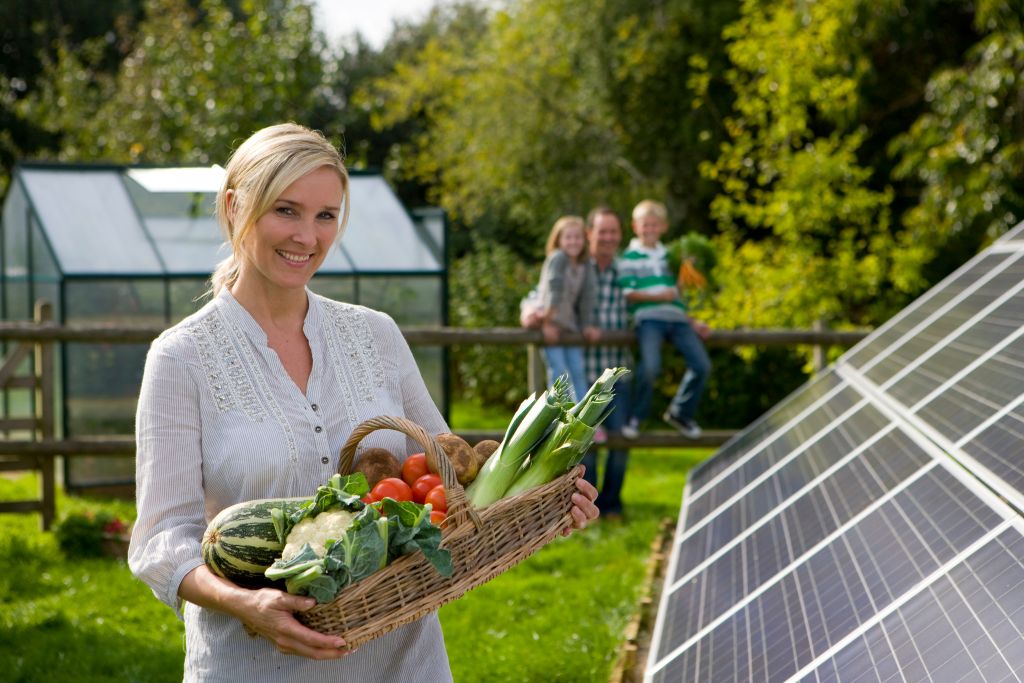
Times of crisis affect not only the availability and price of energy, but also food. In addition to satisfying one of their basic needs with food, people are increasingly choosing locally produced food, grown in unpolluted environments and in line with ecological principles, as they seek healthier products and a more responsible relationship with nature. Small and medium-sized enterprises within the agri-food value chain can also develop more sustainable business models and strengthen their own energy independence by participating in energy communities. In addition to economic benefits, this approach enhances cooperation among local small and medium-sized enterprises and with the wider community, reduces carbon footprints, and strengthens consumer trust.
Through the AgriCom project, we work with partners to connect energy communities with small and medium-sized enterprises in the agri-food sector. Together, we empower farmers, small and medium-sized enterprises, and other actors operating in agriculture, food production, processing and retail to become active participants in the energy transition by producing, sharing and managing energy within their communities in Belgium, Croatia, Greece, Italy and Spain.
A future perspective – more resilient entrepreneurs and communities
Energy communities represent an excellent model for implementing renewable energy projects in local communities in close cooperation with the local community itself. Through energy communities, citizens and entrepreneurs become part of a sustainable collective, jointly overcoming local challenges. Energy communities’ connection with small and medium-sized enterprises creates space for sustainable growth, strengthens local economies and social cohesion, and enhances energy supply security. Projects such as AgriCom demonstrate how collaboration and innovation can accelerate the transition towards a more resilient and sustainable entrepreneurial system.
Photo: Shutterstock
______________________________________________________
This content was created as part of the activities of the EU project AgriCom, co-funded by the EU Single Market Programme (SMP COSME) under grant number 101241510.
The views expressed in this text are the sole responsibility of Green Energy Coopereative (ZEZ) and do not necessarily reflect the views of the European Union.